
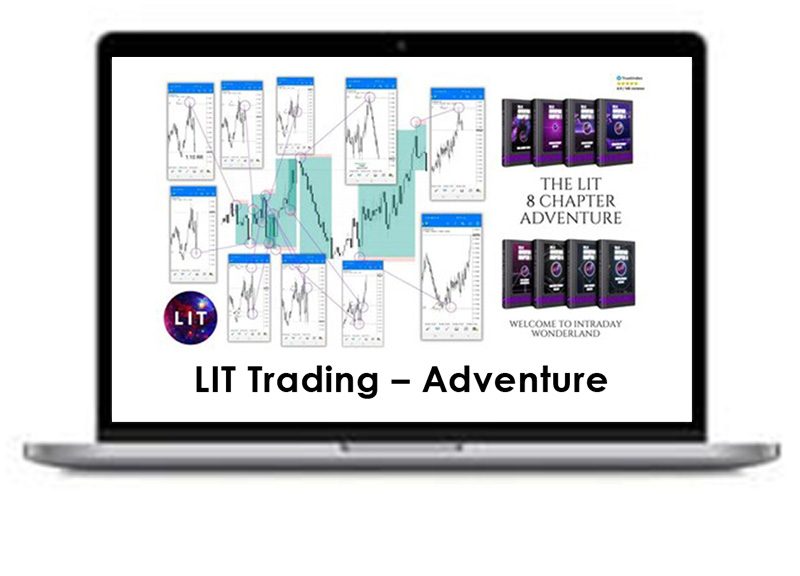


Lit Adventure 8 chapters (Algo Concepts)
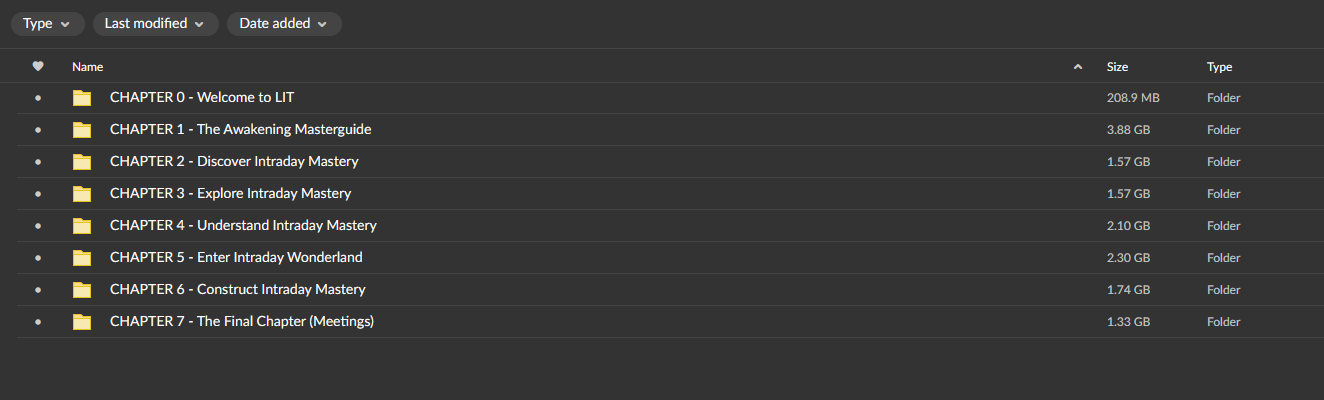
Key Modules
Day 1: Your Journey Begins
Day 2: Discover Intraday Mastery
Day 3: Explore Intraday Mastery
Day 4: Understand Intraday Mastery
Day 5: Enter Intraday Wonderland
Day 6: Construct Intraday Mastery
Day 7: Study Intraday Mastery
Day 8: Master Intraday Mastery
Please note, this is only the 8 chapter adventure
Course Objectives
- Understanding Algorithmic Trading: Gain a foundational understanding of what algorithmic trading entails, including the core principles and benefits.
- Developing Trading Algorithms: Learn how to develop trading algorithms that can be applied to various financial markets.
- Risk Management Techniques: Explore advanced risk management strategies specific to algorithmic trading.
- Real-World Applications: Apply the learned concepts in real-world trading scenarios to understand their practical implications.
Introduction to Algorithmic Trading
- Overview of Algo Trading: Definition, history, and the evolution of algorithmic trading.
- Types of Trading Algorithms: Explanation of different types of algorithms (e.g., trend-following, mean reversion, arbitrage).
- Benefits and Challenges: Analyzing the advantages and potential risks associated with algorithmic trading.
Algo Development Basics
- Algorithm Design: The fundamentals of designing a trading algorithm, including logic, rules, and conditions.
- Backtesting Strategies: Techniques for backtesting algorithms to assess their effectiveness.
- Coding Basics: Introduction to programming languages commonly used in algo trading (e.g., Python, R).
Advanced Algo Concepts
- Machine Learning in Trading: Application of machine learning techniques to develop predictive trading models.
- High-Frequency Trading (HFT): Exploration of high-frequency trading strategies and their implementation.
- Data Analysis and Mining: Techniques for data mining and analysis to inform trading decisions.
Risk Management and Optimization
- Risk Assessment Techniques: Methods for evaluating and managing the risk associated with algorithmic strategies.
- Portfolio Optimization: Strategies for optimizing a portfolio using algorithmic methods.
- Drawdown Management: Techniques for managing drawdowns and minimizing losses.
Learning Outcomes
By the end of this course, participants will:
Be proficient in managing risks associated with algorithmic strategies.
Have a strong understanding of the foundational concepts of algorithmic trading.
Be capable of designing, backtesting, and implementing their own trading algorithms.
Understand advanced topics like machine learning applications and high-frequency trading.




Reviews
There are no reviews yet.